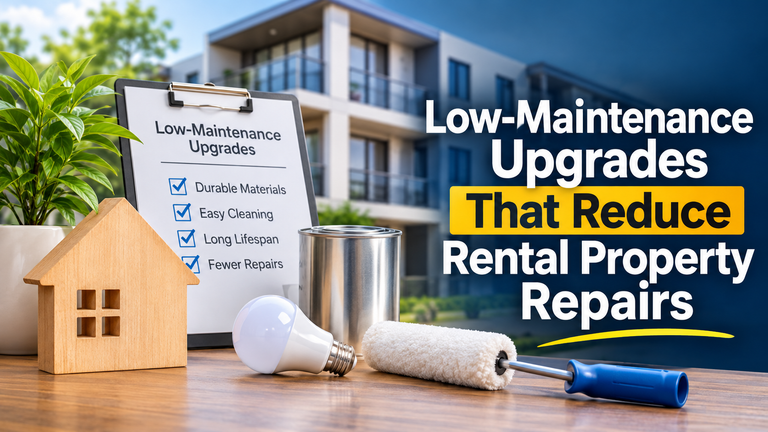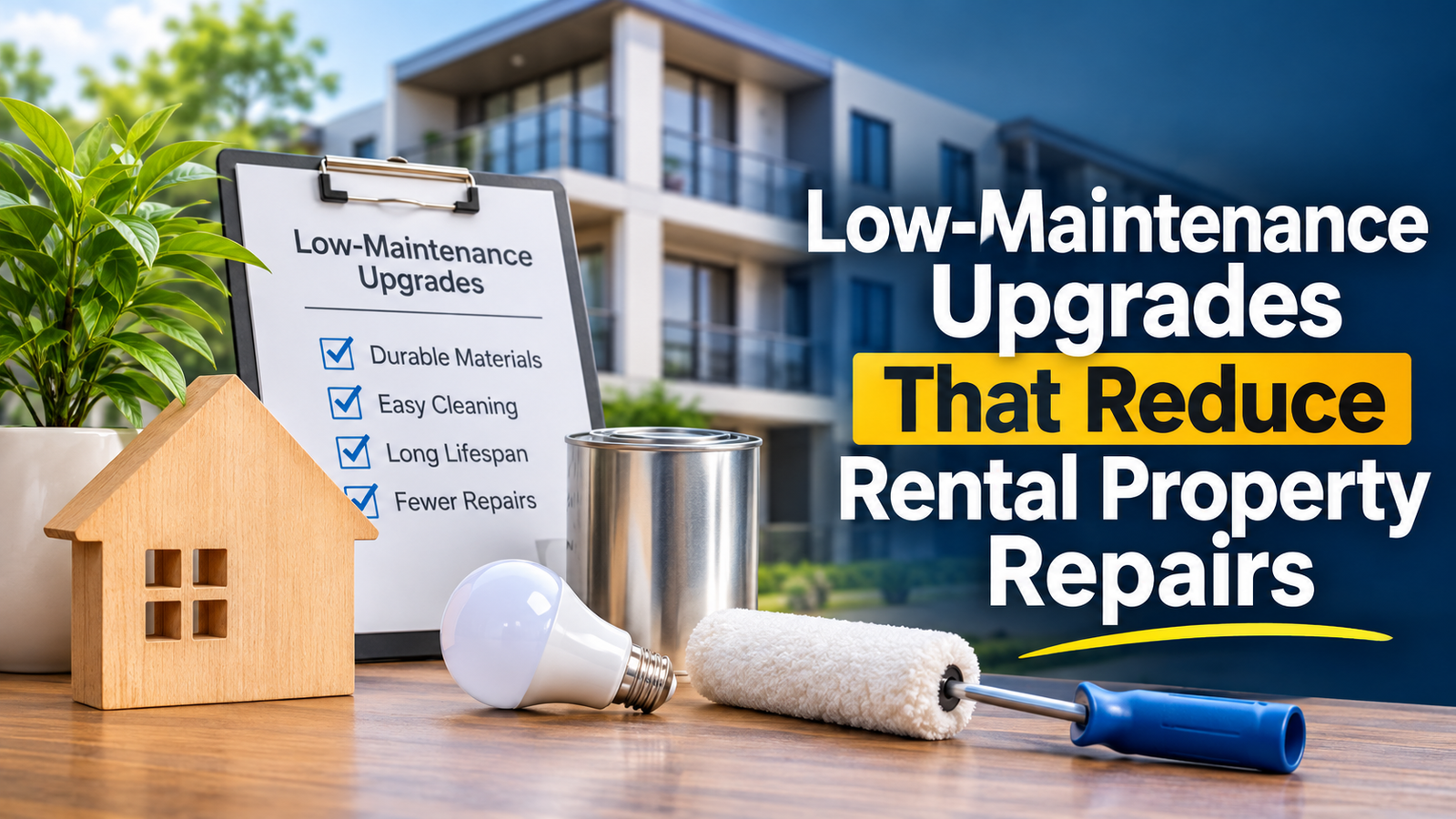
Frequent repairs eat into your profits and take up time better spent elsewhere. For most landlords juggling rental property maintenance alongside other responsibilities, finding ways to cut down on ongoing fixes makes financial sense.
The right upgrades can transform a high-maintenance unit into one that requires minimal attention between tenants. While some improvements require upfront investment, they pay for themselves by reducing replacement frequency and repair calls.
Flooring That Stands Up to Tenant Turnover
Carpet holds stains, discolors over time, and needs replacement every few years in a rental property. Hardwood looks appealing but scratches easily and costs significantly more to refinish or replace when damaged.
Two alternatives offer better durability without sacrificing appearance. Laminate flooring resists stains, impacts, and scratches while costing less than hardwood. The tongue-and-groove installation system snaps together quickly, and if one section gets damaged, you can replace just that piece. It also benefits tenants with allergies since it doesn’t trap dust like carpet does.
Vinyl flooring provides similar advantages with added water resistance. The tile versions install with the same snap-together method as laminate. Vinyl handles heavy foot traffic well, which matters in units with multiple occupants. It also absorbs sound better than hard surfaces and feels comfortable underfoot.
Both options cut installation time in half compared to traditional flooring and eliminate the need for frequent deep cleaning or replacement between tenants.
Light Fixtures That Don’t Break
Pendant lights hanging at eye level look modern but create maintenance headaches. They produce limited light, illuminate small areas, and break easily when someone walks into them. When they do break, you’re dealing with both a repair bill and a safety hazard.
Dome lights mount flush to the ceiling and light entire rooms. They come in various sizes and styles to match different unit aesthetics. Paired with LED bulbs, they provide practical illumination without constant maintenance. Their out-of-the-way position means tenants won’t accidentally damage them.
Track lighting offers another durable option, especially for kitchens. Modern versions are smaller and more attractive than older bulky models. The adjustable heads let tenants direct light where they need it, whether over a stove or dining table. They mount securely and rarely require repairs.
Exterior Doors Built to Last
Wooden exterior doors look nice initially but deteriorate from weather exposure and require regular maintenance. Steel and fiberglass doors withstand weathering far better while costing less over time.
A coat of paint makes steel or fiberglass doors as attractive as wood versions, but they won’t warp, crack, or rot. These materials hold up against impacts and attempted break-ins better than wood, adding a security benefit alongside durability.
For interior doors, simple hollow-core models work well. They cost around $50 each, install easily due to their light weight, and have a honeycomb fiberboard structure that provides surprising durability for bedroom and bathroom applications. Since interior doors face less stress than exterior ones, spending more on solid-core or specialty materials rarely makes sense in a rental property.
Windows With Modern Security Features
Older windows with cranks or breakable handles create multiple problems. The mechanisms fail over time, parts become hard to replace, and weak locking systems compromise security.
Standard vertical or horizontal sliding windows eliminate these issues. They feature metal locking mechanisms that resist tampering and rarely break. The simple design means fewer parts that can fail, reducing repair calls.
Modern windows also seal better than older models, which helps with energy efficiency. While the upfront cost exceeds repairing old windows, the low maintenance and security improvements justify the investment.
Why Durability Matters More Than Aesthetics
Every rental property repair takes time to coordinate and money to complete. Materials that hold up through multiple tenant occupancies reduce both. The goal isn’t to install the cheapest options but rather the ones that require the least ongoing attention.
Tenants also appreciate units that work properly. Functional upgrades that reduce problems contribute to longer tenancies and better reviews.
Final Thoughts
Converting a rental property into a low maintenance asset requires strategic material choices. Laminate or vinyl flooring, practical lighting, durable doors, and modern windows all reduce the frequency of repairs and replacements. While these rental property maintenance tips involve initial costs, they pay back through reduced ongoing expenses and fewer headaches managing the unit. Focus on materials proven to withstand heavy use, and your rental property will require far less attention over time.
About the Author